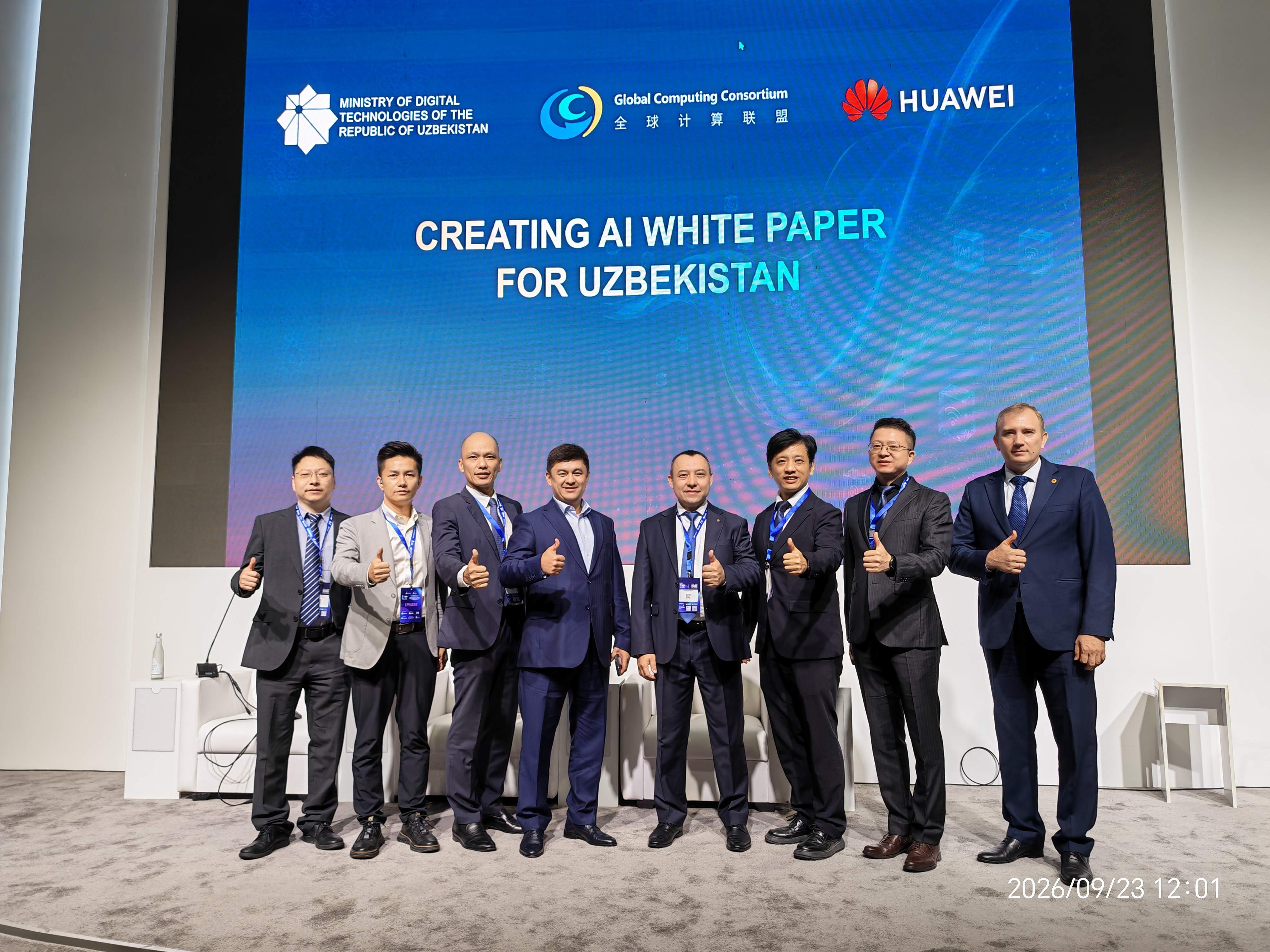
Global Computing Consortium and Uzbekistan’s Ministry of Digital Technologies Announce Cooperation on the Uzbekistan AI White Paper
Tashkent, Uzbekistan — During ICT Week Uzbekistan 2026, the Global Computing Consortium (GCC) and the Ministry of Digital Technologies of the Republic of Uzbekistan announced their cooperation on the Uzbekistan AI White Paper at the Future Intelligence Forum.
2026-09-30

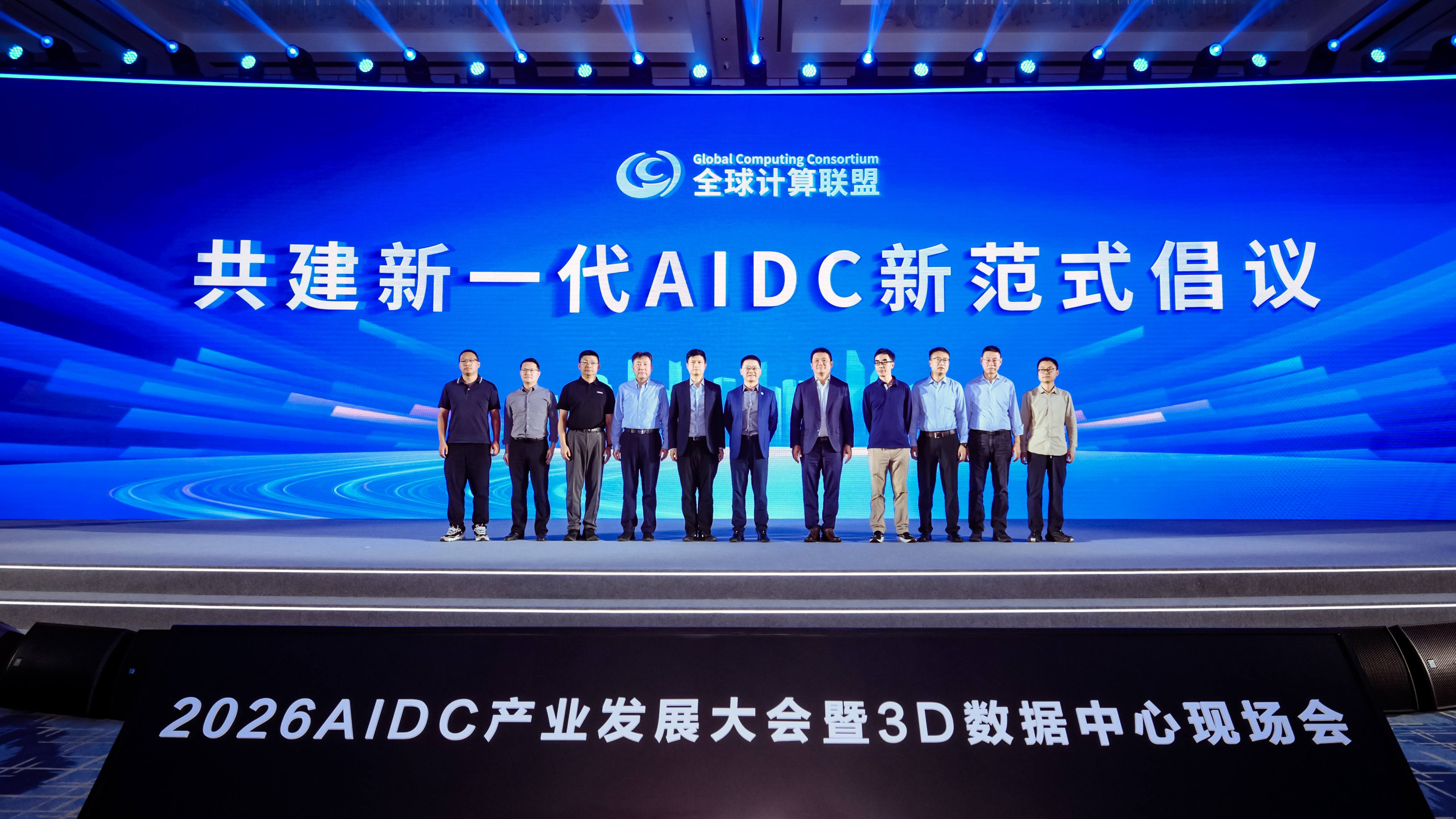
2026 AIDC Industry Development Conference and 3D Data Center On-Site Meeting Successfully Held in Wuhu
[WUHU, ANHUI, September 15, 2026] Today, the 2026 AIDC Industry Development Conference and 3D Data Center On-Site Meeting was successfully held in Wuhu, Anhui Province. The conference was hosted by the Global Computing Consortium (GCC) and co-organized by the China Electronics Standardization Institute (CESI) and the China Electronic Engineering Design Institute Co., Ltd. (CEEDI). The event brought together over 800 representatives from the entire industry chain, including competent authorities in housing and urban-rural development, leaders from Wuhu Municipality, academicians and experts, research institutes, internet enterprises, state-owned financial institutions, and leading enterprises across the industrial chain. The conference focused on the generational leap in computing infrastructure against the backdrop of explosive AI computing power demand, explored pathways for the high-quality development of next-generation AIDC, and built consensus on collaborative industry development. Xu Zhi, Secretary of the CPC Wuhu Municipal Committee, attended the conference.
2026-09-16

Annual Highlight | Computing Global Conference 2026 (CGC2026) — October 21 in Shenzhen, Ushering in the Megawatt-Scale Intelligent Computing Era
As the AI industry undergoes rapid evolution, computing power is poised to enter a new phase of megawatt-scale proliferation and gigawatt-scale construction. Industrial development has moved beyond the scope of single hardware optimization, advancing toward full-domain vertical synergy across Application → Model → Chip → Infrastructure → Energy. Paradigm shifts in computing infrastructure, global standards co-development, and scale deployment of AIDC have emerged as the core imperatives driving industrial breakthroughs
2026-08-17

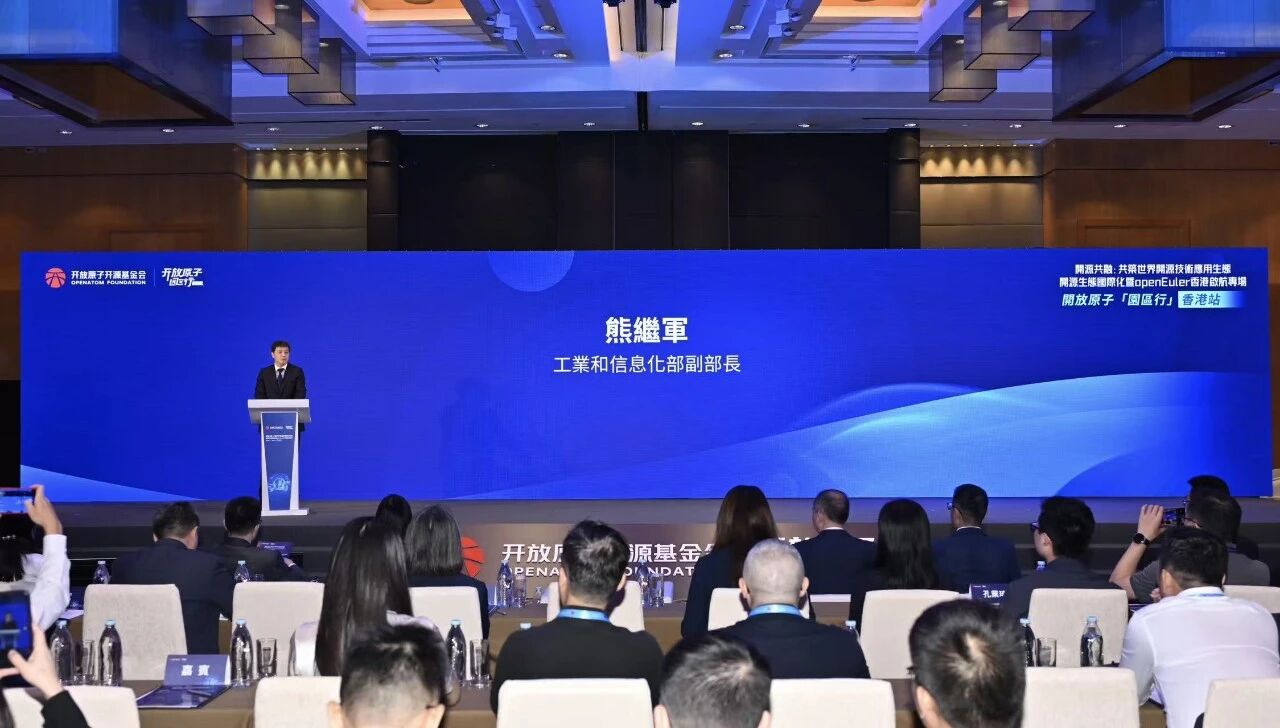
GCC Joins openEuler Hong Kong User Group: Building Asia-Pacific Open-Source Computing Ecosystem Through Software-Hardware Synergy
Following the launch of the Southeast Asia Joint Hub, GCC has taken another key step forward — joining the openEuler Hong Kong User Group, empowering the development of Hong Kong's computing industry through software-hardware synergy.
2026-07-30

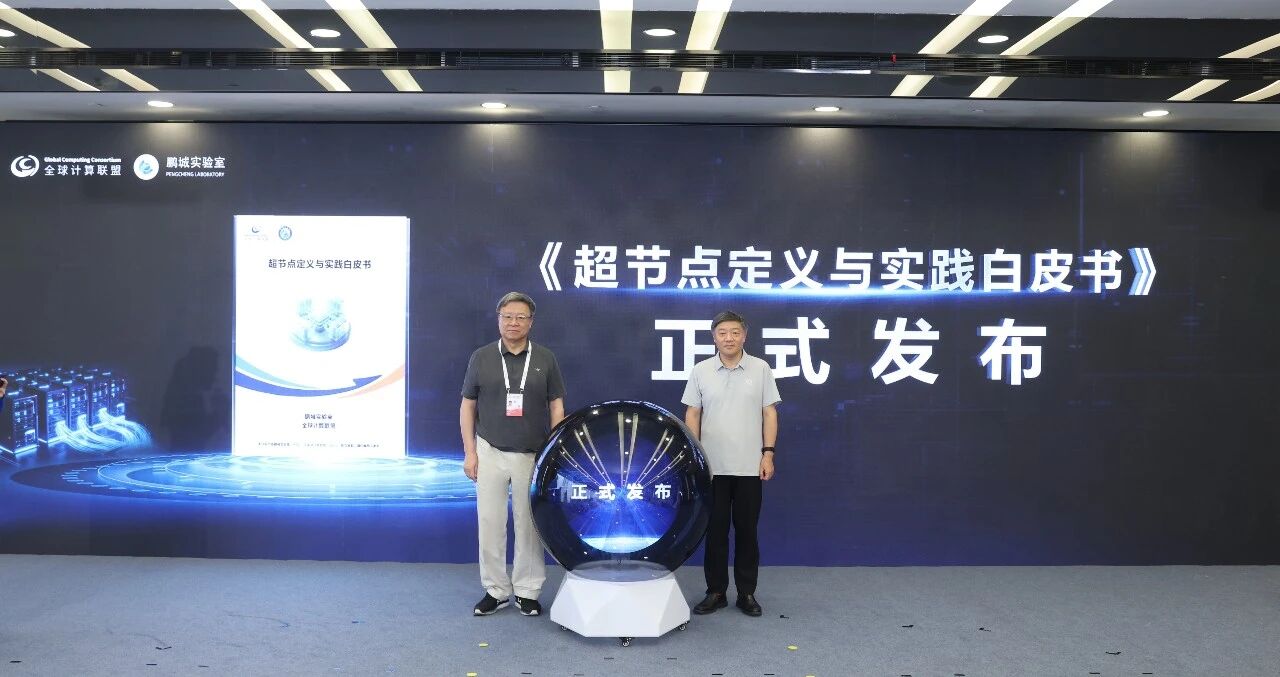
SuperPod Definition and Practice White Paper Officially Released: Establishing a New Paradigm for AI Infrastructure Construction
[Shanghai, China – July 19, 2026] During the World Artificial Intelligence Conference (WAIC) 2026, Gao Wen, Director of Peng Cheng Laboratory (PCL), and Jin Hai, Chairman of the Global Computing Consortium (GCC), jointly released the SuperPod Definition and Practice White Paper. Co-led by GCC and PCL with participation from the full industry chain, this white paper provides the first comprehensive clarification of the core definition, architectural characteristics, and core technology framework of SuperPods. It identifies three major technical features, outlines ten core value scenarios, and compiles benchmark implementation cases across the entire industry chain—establishing technical standards, defining evolutionary directions, and providing practical benchmarks for the next generation of intelligent computing infrastructure worldwide.
2026-07-20

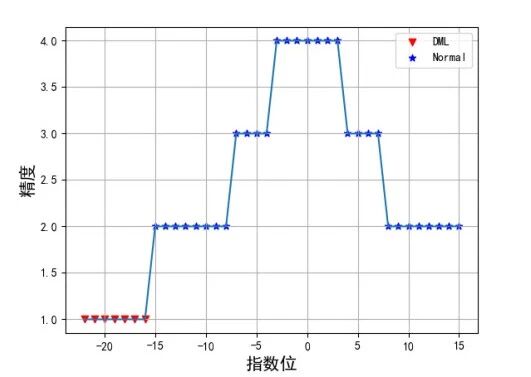
GCC Achievements | Technical Specification of HiFloat8 Data Format Officially Released (Download Attached)
On June 23, 2026, the Global Computing Consortium (GCC) officially released and implemented the group standard Technical Specification of HiFloat8 Data Format. Targeting intelligent computing training and inference scenarios, the standard is the first to systematically specify the technical requirements of the HiFloat8 floating-point data format, providing the intelligent computing industry with a unified and open new 8-bit floating-point data format specification. Balancing dynamic range, numerical precision, and engineering efficiency, it further promotes the coordinated development of the AI software and hardware ecosystem.
2026-07-05
The English website is now being developed.
We sincerely appreciate your attention
and continued support.