[WUHU, ANHUI, September 15, 2026] Today, the 2026 AIDC Industry Development Conference and 3D Data Center On-Site Meeting was successfully held in Wuhu, Anhui Province. The conference was hosted by the Global Computing Consortium (GCC) and co-organized by the China Electronics Standardization Institute (CESI) and the China Electronic Engineering Design Institute Co., Ltd. (CEEDI). The event brought together over 800 representatives from the entire industry chain, including competent authorities in housing and urban-rural development, leaders from Wuhu Municipality, academicians and experts, research institutes, internet enterprises, state-owned financial institutions, and leading enterprises across the industrial chain. The conference focused on the generational leap in computing infrastructure against the backdrop of explosive AI computing power demand, explored pathways for the high-quality development of next-generation AIDC, and built consensus on collaborative industry development. Xu Zhi, Secretary of the CPC Wuhu Municipal Committee, attended the conference.
Today, large model technologies are undergoing rapid iteration, and demand for intelligent computing power is growing exponentially. GW-scale computing parks and 100K-card SuperNode clusters have become the mainstream of industry development. The traditional flat data center construction model can no longer meet the new demands for high density, high computing power, high energy efficiency, and high reliability. The AIDC industry has entered a critical window for comprehensive architectural upgrades and systematic paradigm iteration. Themed "Consolidating the Computing Foundation with 3D, Jointly Building a New Paradigm for AIDC Development," the conference brought together authoritative trend analysis, policy interpretation, scenario sharing, benchmark practices, and ecosystem initiatives to form a unified industry vision for the construction of next-generation computing infrastructure.
I. Authoritative Trend Analysis: Charting the Direction for Computing Infrastructure Upgrades
At the opening ceremony, representatives from competent industry authorities, academicians and experts, and leading industry enterprises delivered keynote addresses, providing multi-dimensional insights into AIDC development trends from the perspectives of policy, academia, and industry.
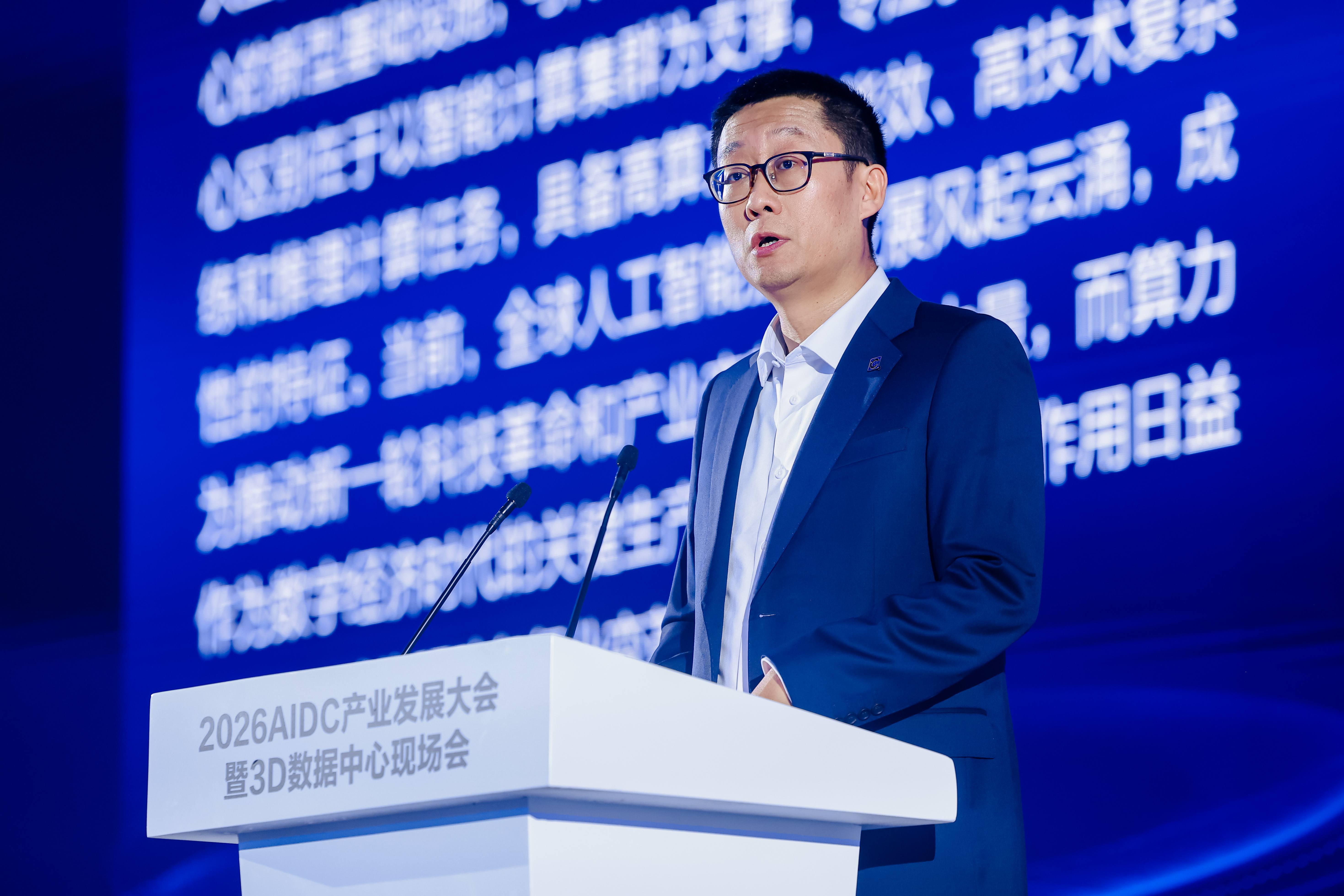
 Remarks by Chen Wei, Director of the Information Center of the Ministry of Housing and Urban-Rural Development (MOHURD)
In his address, Chen Wei, Director of the Information Center of the Ministry of Housing and Urban-Rural Development (MOHURD), stated that computing power, as the core productive force in the digital economy era, has been incorporated into the national strategic deployment of the "Six Networks." The housing and construction sector features massive data integration and rich application scenarios. From housing safety monitoring and smart property management to intelligent construction and smart operations and maintenance, all these endeavors require solid support from computing infrastructure. Moreover, computing centers are, in essence, buildings and must be constructed and operated in line with the "Good House" standards of being safe, comfortable, green, and smart. The 3D data center showcased at this conference aligns with the direction of intensive and efficient development, providing an excellent practical example for next-generation AIDC construction. Moving forward, the Information Center of MOHURD will align with national strategies, implement the deployment of the Ministry's Party Leadership Group, deepen industry collaboration, strengthen computing power support, and jointly promote the high-quality development of digital and intelligent housing and urban-rural development.
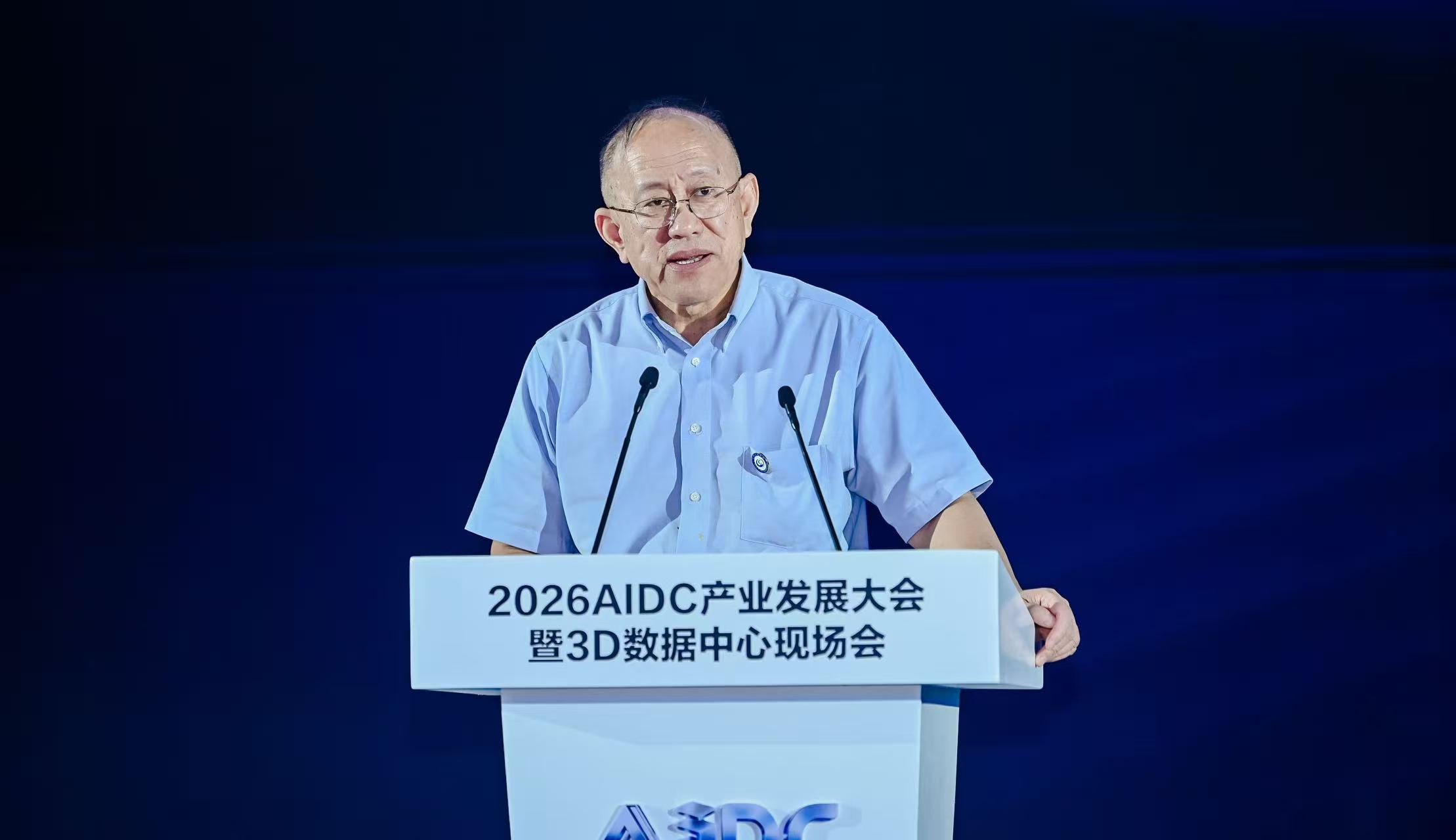
Remarks by Professor Guan Xiaohong, Member of the GCC Strategic Advisory Committee, Academician of the Chinese Academy of Sciences (CAS), and Professor at Xi'an Jiaotong University
Professor Guan Xiaohong, Member of the GCC Strategic Advisory Committee, Academician of the Chinese Academy of Sciences (CAS), and Professor at Xi'an Jiaotong University, delivered a forward-looking presentation on the generational evolution of the industry. He noted that the exponential growth in computing power demand is compelling a systematic reconstruction of infrastructure, as the traditional construction model can no longer accommodate high-density intelligent computing scenarios. He identified three-dimensional integration, integrated modular design, and computing-energy integration as the core evolutionary paths for next-generation AIDC. Professor Guan stated that the 3D data center architecture innovation effectively addresses the bottlenecks of space, computing capacity, and energy efficiency in traditional machine rooms, providing a valuable and replicable innovation practice for the industry. He also called on the industry to establish a computing-energy-carbon coordinated development system, promote the deep integration of computing infrastructure construction with green and low-carbon development, and leverage the GCC platform to uphold open sharing and collaborative co-construction, thereby pooling industry strengths.

Remarks by Wang Tao, Vice Chairman and Rotating Chairman of Huawei Technologies Co., Ltd.
At the conference, Huawei officially unveiled the world's first 3D data center. Wang Tao, Vice Chairman and Rotating Chairman of Huawei Technologies Co., Ltd., stated: "Large models with tens of trillions of parameters and the rapidly growing demand for tokens place higher demands on AI infrastructure. Ascend SuperNode clusters with more than 100,000 cards will become the baseline configuration. To address the security and cross-generational AI chip compatibility challenges of large-scale AI computing centers, Huawei has restructured the original 2D data center into a 3D architecture, adopting a layered decoupling and vertical stacking approach to build a 'super computing power factory for Ascend SuperNode clusters.' The 3D data center architecture released today can serve as a reference architecture for the entire industry to build SuperNode clusters. By opening up machine room models and providing standardized designs and solutions, Huawei is joining hands with industry partners to build an open AI infrastructure ecosystem and jointly lay a solid computing foundation for the intelligent world."
II. Standards System First: Laying the Foundation for Regulated Industry Development
Guo Nan, Vice President of the China Electronics Standardization Institute (CESI)
Standardization is a vital pillar for leading the high-quality development of the industry. Guo Nan, Vice President of the China Electronics Standardization Institute (CESI), delivered a keynote speech titled "Policy-Driven, Standards-Led: Intelligent Computing Standardization Accelerating the Iterative Upgrade of Computing and AIDC Infrastructure," providing a comprehensive overview of the current progress in standards system development in the AIDC field. He stated that as the computing industry accelerates its evolution from general-purpose computing to intelligent computing, there is an urgent need to establish a comprehensive standards system covering design, construction, adaptation, evaluation, and operations and maintenance, fill the standards gaps in emerging fields, and use standards to drive the industry's regulated and systematic iterative upgrades.
III. Industry Demand Voices: Validating the Practical Need for Architectural Iteration
Industry representatives from the internet and state-owned financial sectors, drawing on their large-scale computing deployment practices, articulated the real demands of AIDC construction in the new era, validating the necessity and urgency of architectural innovation in the industry.
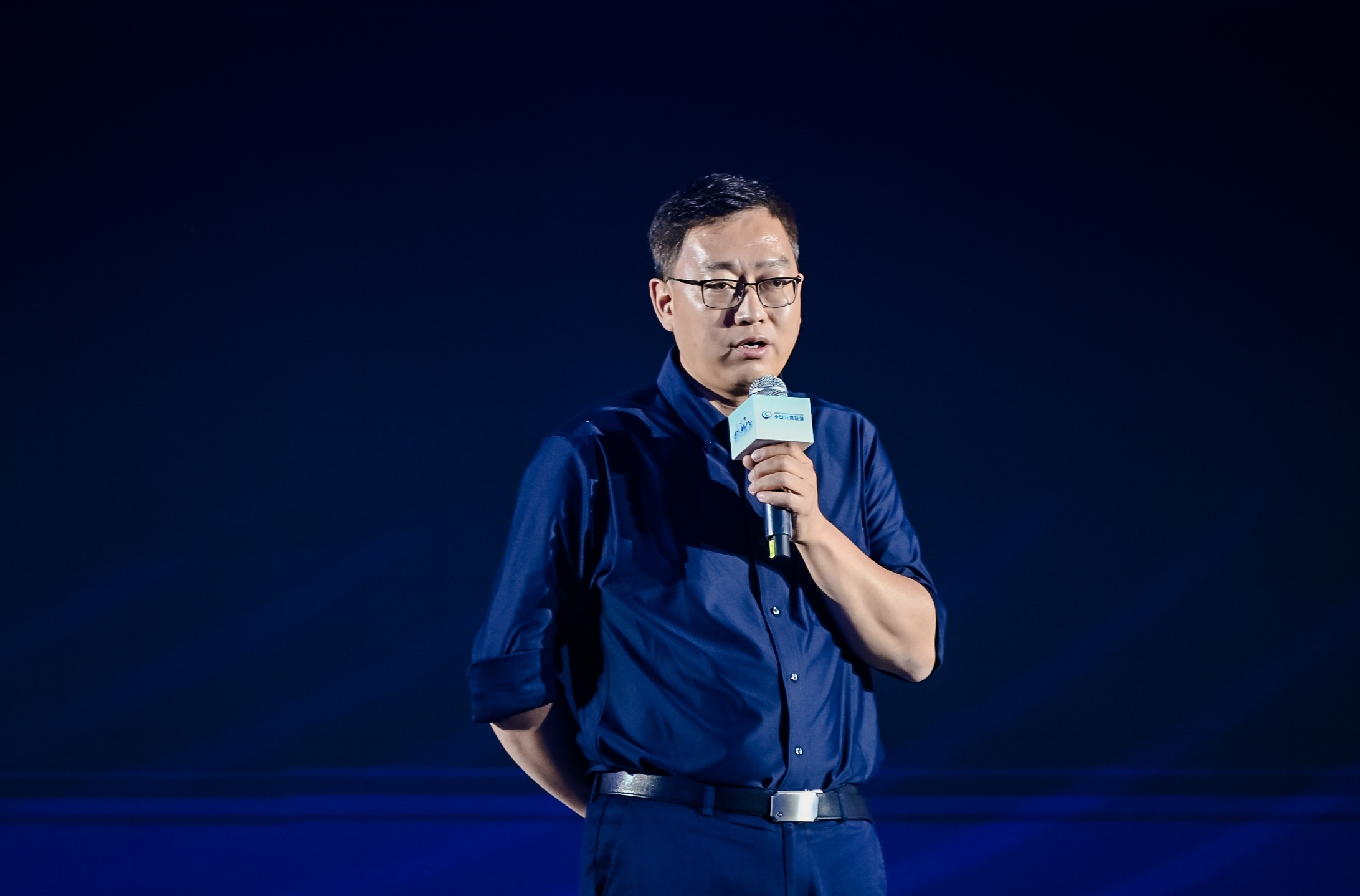
Wang Guojun, General Manager of Data Center, JD Technology
Wang Guojun, General Manager of Data Center at JD Technology, delivered a speech titled "Computing Power Surge Drives Generational Leap in AIDC," noting that the rapid iteration of computing power demand and the traditional infrastructure construction model are characterized by structural contradictions. Computing infrastructure urgently needs to upgrade towards greater agility and adaptability to match the rapidly growing business computing demands.
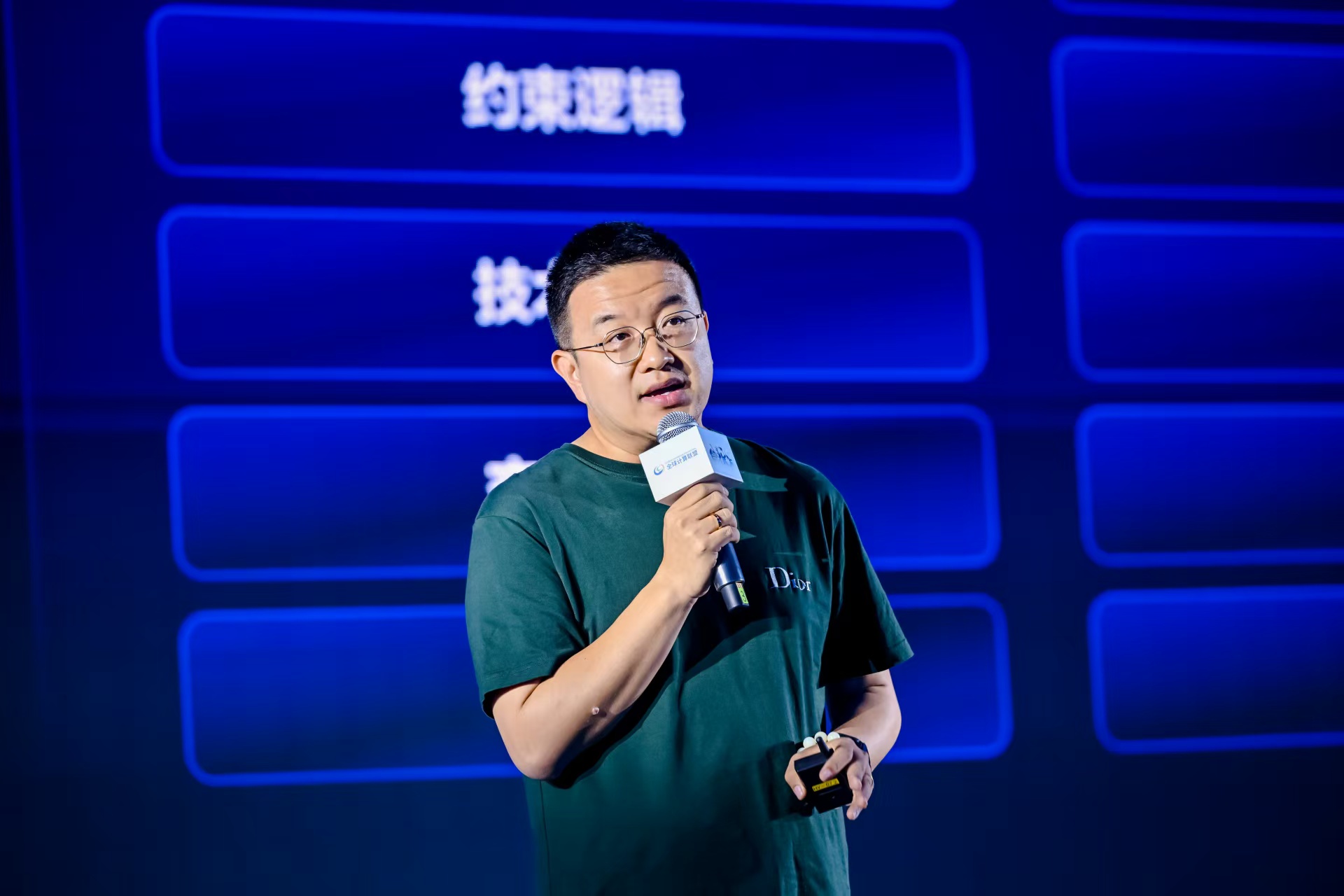
Gao Lei, Head of IDC Technology, Kuaishou Technology Co., Ltd.
Gao Lei, Head of IDC Technology at Kuaishou Technology Co., Ltd., presented a keynote sharing titled "Reconstructing Computing Infrastructure in the GW-Scale Era," analyzing the logic of infrastructure reconstruction in the GW-scale computing era and proposing that computing construction must shift from single-resource deployment to park-level systematic planning, with strengthened capabilities in green, resilient, and efficient operations.
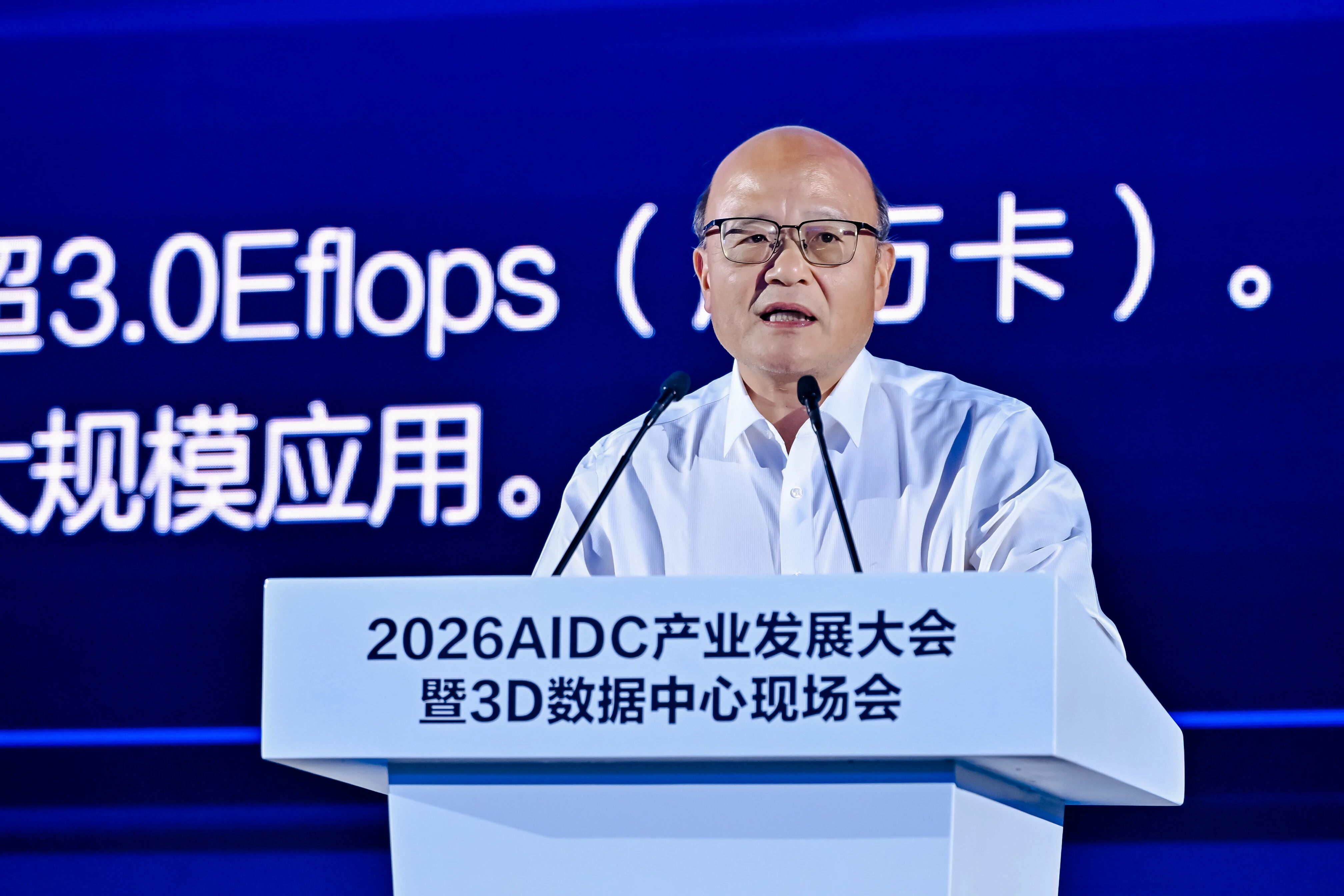
Zhang Xinhui, Deputy General Manager of Data Center, Industrial and Commercial Bank of China (ICBC)
Zhang Xinhui, Deputy General Manager of Data Center at the Industrial and Commercial Bank of China (ICBC), shared insights on "ICBC Data Center Construction Practice and Reflections." Drawing on financial sector scenarios requiring high security and high availability, he pointed out that the construction of ultra-large-scale intelligent computing centers faces challenges such as high-density deployment, long delivery cycles, and insufficient intelligent operations and maintenance. The financial industry's demand for digitalization, automation, greening, and coordination upgrades in computing infrastructure is becoming increasingly urgent, driving a comprehensive transformation of the industry's construction paradigm.
IV. Benchmark Practice Realized: Establishing a Replicable Construction Paradigm
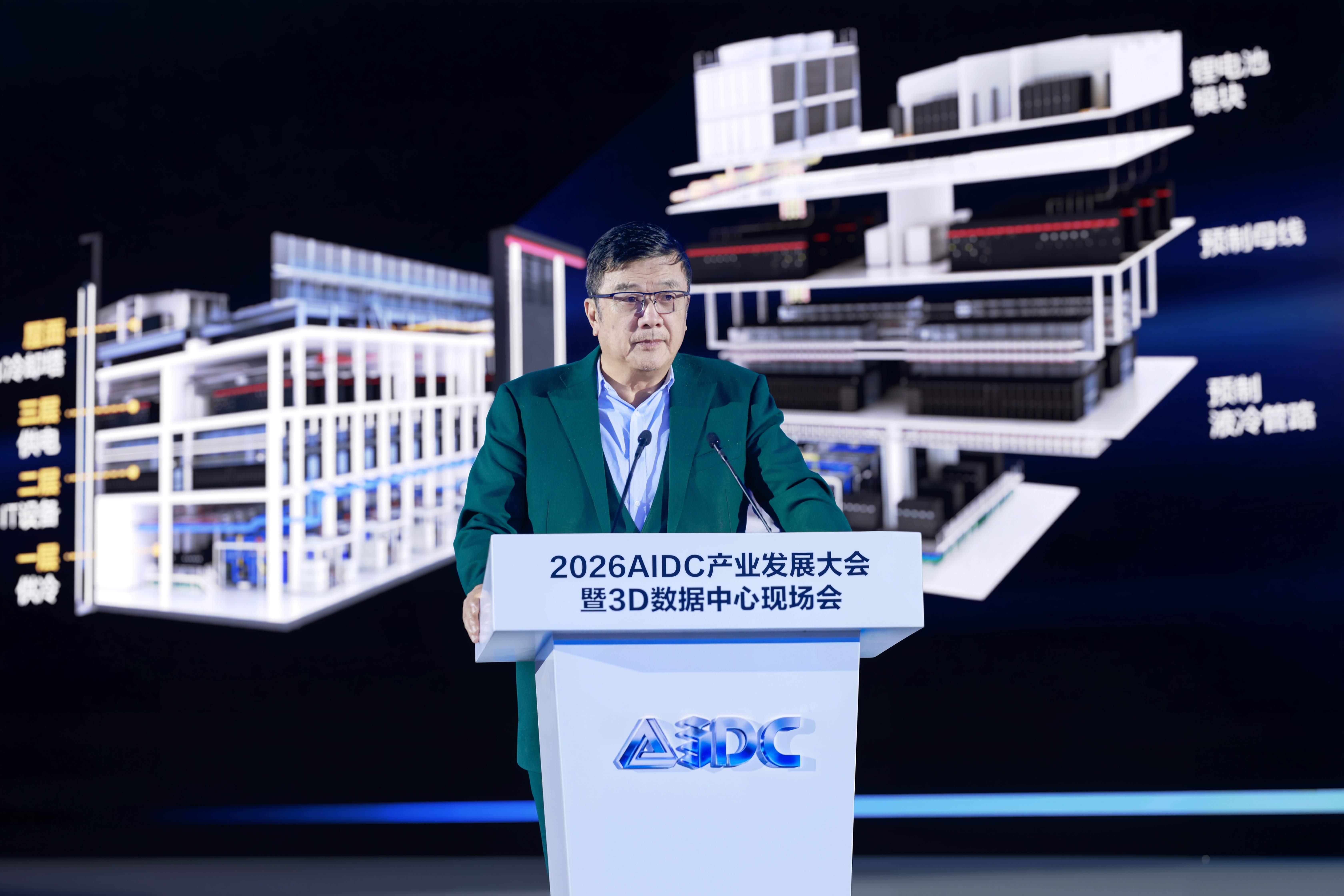 Ren Shulu, Senior Vice President and Executive Supervisor, Huawei Technologies Co., Ltd.
Addressing the industry's construction pain points and upgrade challenges, the conference showcased a series of benchmark practices for next-generation AIDC. Ren Shulu, Senior Vice President and Executive Supervisor of Huawei Technologies Co., Ltd., delivered a keynote speech on "Generational Leap, Paradigm Innovation, Jointly Building Next-Generation AIDC." He stated: "The 3D data center achieves a paradigm leap from 'on-site construction' to 'factory prefabrication and on-site assembly.' By treating the data center as a standardized product that can be mass-replicated, rather than a custom-built project." He noted that in the AI era, high-density computing power poses severe challenges to traditional data centers in terms of space, power supply, and cooling. Cabinet power consumption has surged from several kilowatts or a dozen kilowatts in the air-cooling era to 100 kW and 200 kW, and will continue to rise. Such extreme energy density demands a systematic paradigm innovation in AI data centers across power supply, cooling, operations and maintenance, and delivery cycles.

"3D Data Center Activation" Ceremony
(From left to right in the photo above: Zhang Xiwei, President of Huawei's Computing Product Line; Zhai Chuanming, General Manager of CEEDI; Ren Shulu, Senior Vice President and Executive Supervisor of Huawei Technologies; Professor Guan Xiaohong, Member of the GCC Strategic Advisory Committee, Academician of CAS, and Professor at Xi'an Jiaotong University; Zhou Yuefeng, Director of Huawei Technologies and CEO of Huawei Cloud; Guo Nan, Vice President of CESI)
Through systematic architectural innovation, Huawei has created a new-generation 3D data center using a layered decoupling and vertical stacking architecture. During the conference, a 3D Data Center Activation Ceremony was held on-site, with Huawei officially releasing the world's first 3D data center as an outstanding practice for next-generation AIDC, leading the co-construction of a new AIDC paradigm. Meanwhile, the monograph "3D Data Center" was published, and the "3D Data Center Preliminary Design Library" was made openly available. The monograph is divided into five chapters — "Computing Power Transformation, DC Reconstruction, Masterpiece, Paradigm Shift, and Value Leap" — providing a complete decoding of practical experience from the original innovation vision to full lifecycle management. The open design library covers architecture, structural engineering, water supply and drainage, HVAC and power, electrical engineering, and low-voltage systems, laying the foundation for the industry's collaborative construction of 3D data centers.
V. Operational Experience Empowerment: Enhancing the New Computing Operations and Maintenance System
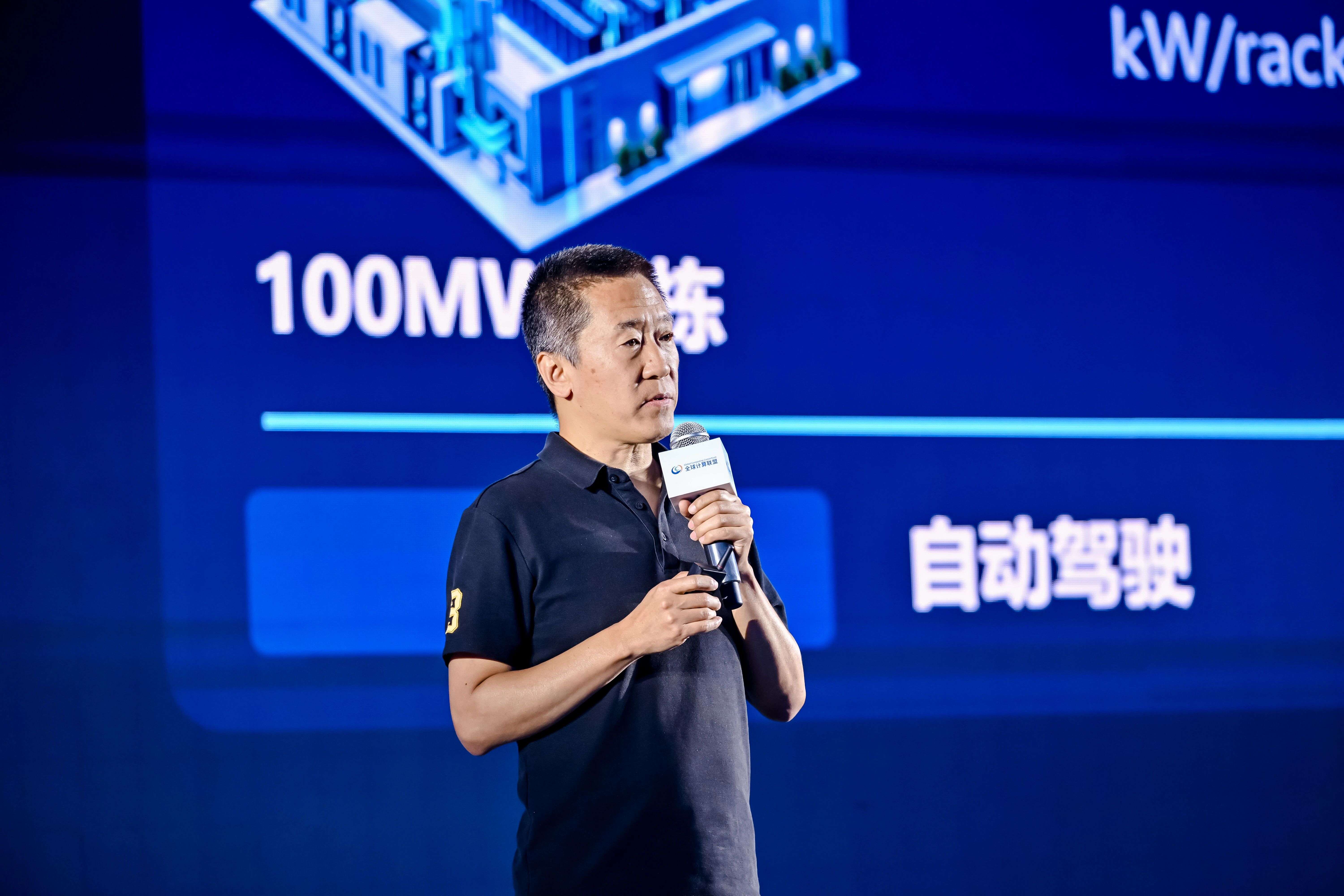
Yan Kun, Executive Vice President, 21Vianet Group
The stable and efficient operation of ultra-large-scale computing clusters requires the coordinated upgrade of operational models and energy systems. Yan Kun, Executive Vice President of 21Vianet Group, delivered a presentation titled "Hyperscale 2.0: Ushering in the Era of AIDC Autonomous Operation," sharing practices in the intelligent operation of ultra-large-scale data centers and introducing the vision for AIDC autonomous operation. He proposed that through the development of intelligent and autonomous operational capabilities for AIDC, ultra-large computing clusters can achieve an intelligent upgrade from manual operation to autonomous operation.
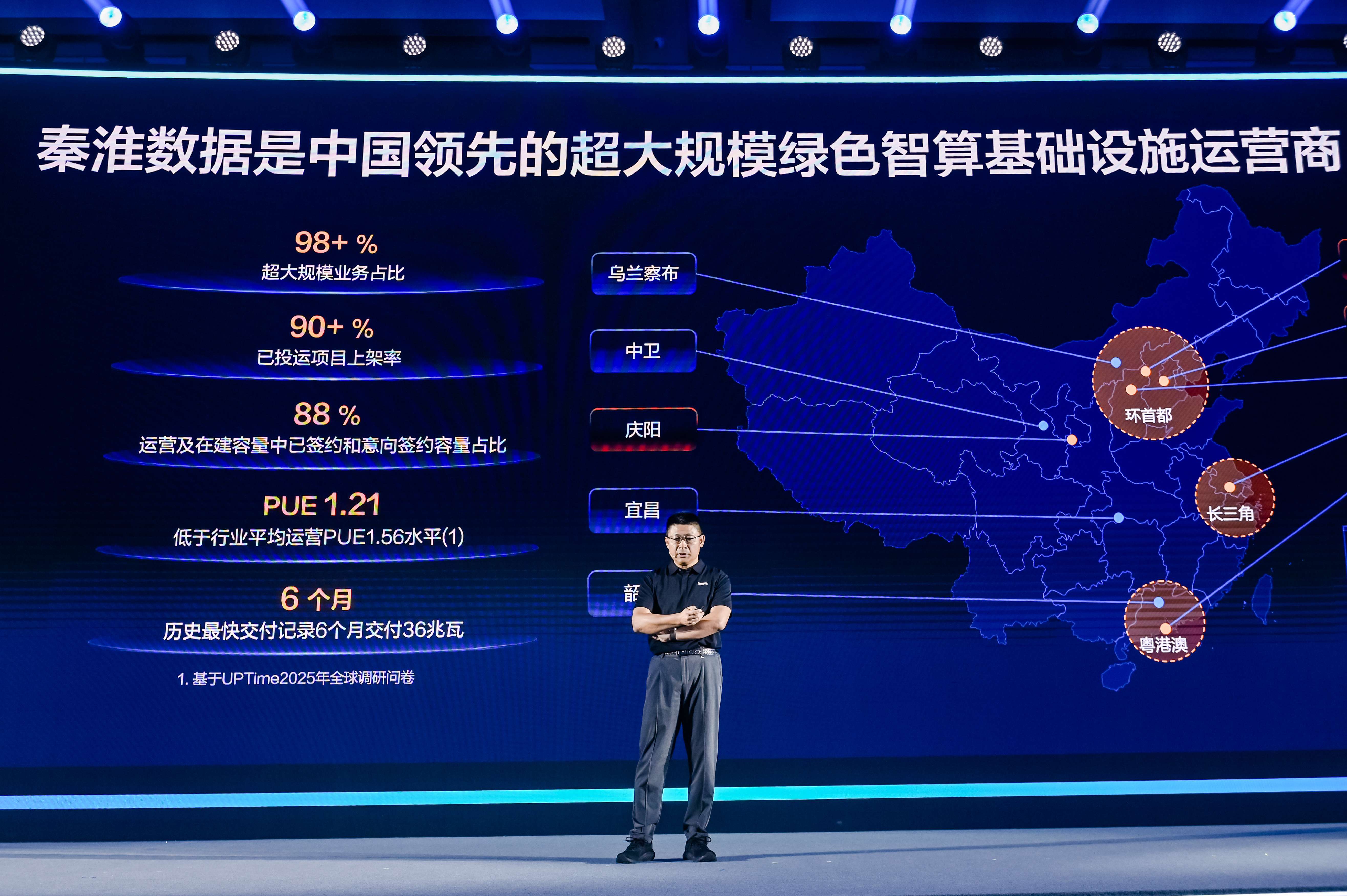
Chen Shengjun, Senior Vice President, Qinhuai Data Group
Chen Shengjun, Senior Vice President of Qinhuai Data Group, presented a keynote sharing titled "Computing-Energy Synergy: Building Grid-Friendly AIDC." He proposed that in the era of large-scale computing, power supply has become a core constraining factor. Through flexible power supply, multi-source energy storage, and source-grid coordination, data centers must be transformed from single power consumption loads into grid-friendly collaborative entities, achieving mutual empowerment between computing development and green energy utilization.
VI. Ecosystem Collaboration: Pooling Forces for Industry Upgrading
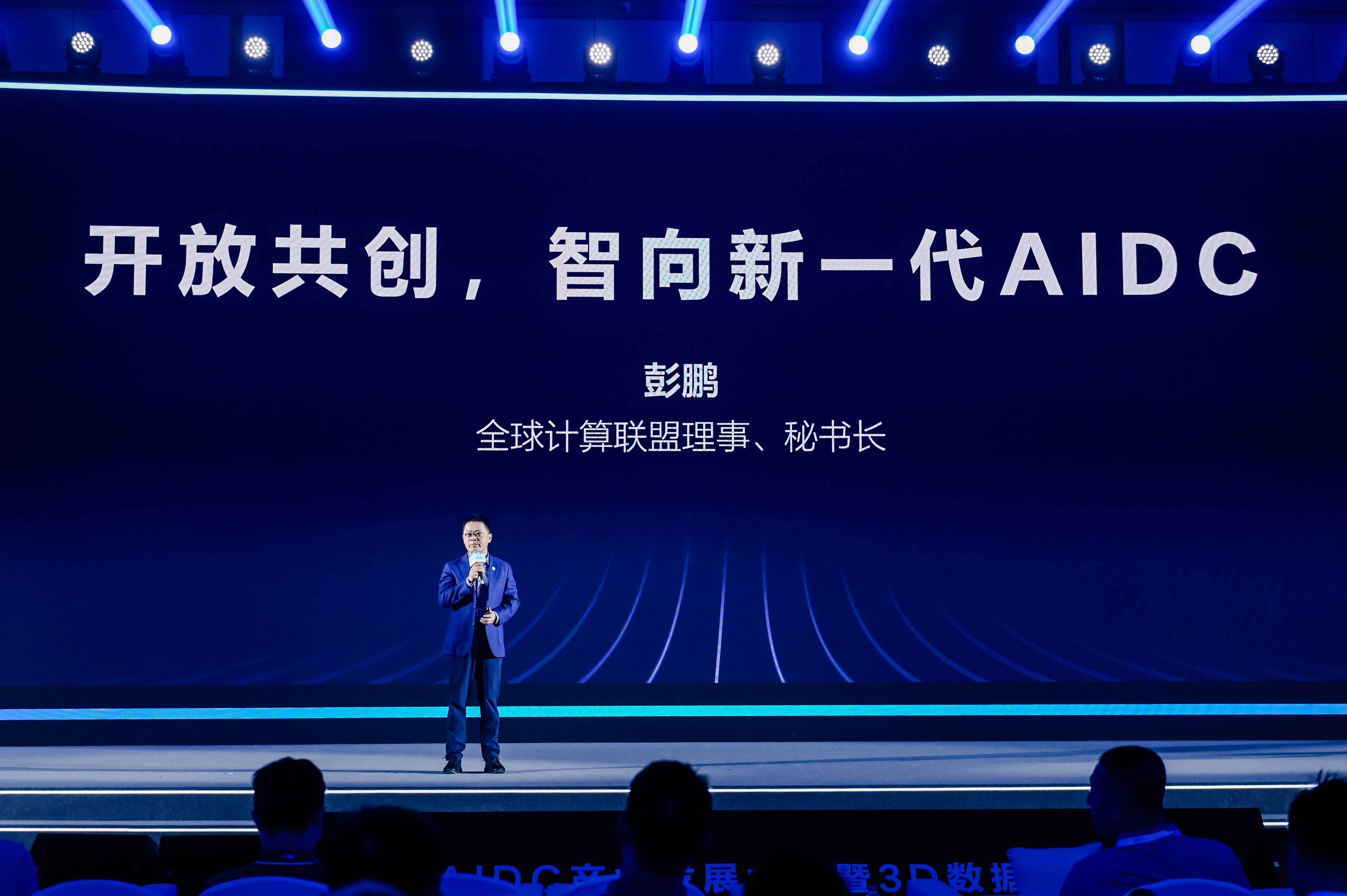
Peng Peng, Director and Secretary-General, Global Computing Consortium
Peng Peng, Director and Secretary-General of the Global Computing Consortium, delivered a thematic report titled "Open Co-Creation, Intelligent Progression towards Next-Generation AIDC," providing a comprehensive overview of GCC's ecosystem development and work progress in the next-generation AIDC field. He stated that AIDC is currently undergoing an accelerated transformation from traditional machine room facilities to modern computing power factories. The industry faces multi-dimensional challenges in planning, design, delivery, operations and maintenance, and operations, requiring collaborative breakthroughs across the entire industry chain.
Research Report on the Definition and Practice of Next-Generation AIDC
To this end, GCC, together with industry partners, released the "Research Report on the Definition and Practice of Next-Generation AIDC." The report defines six core evaluation indicators for next-generation AIDC, establishing a quantifiable and actionable industry evaluation framework across dimensions including single-cabinet power, cluster scale, delivery speed, elastic compatibility, operations and maintenance approaches, and comprehensive energy efficiency, providing a unified reference benchmark for the industry's transformation and upgrading. Different vendors can achieve the indicator requirements based on their own technical pathways and continuously validate and optimize them through benchmark projects, jointly driving the industrial upgrading of AI computing infrastructure.
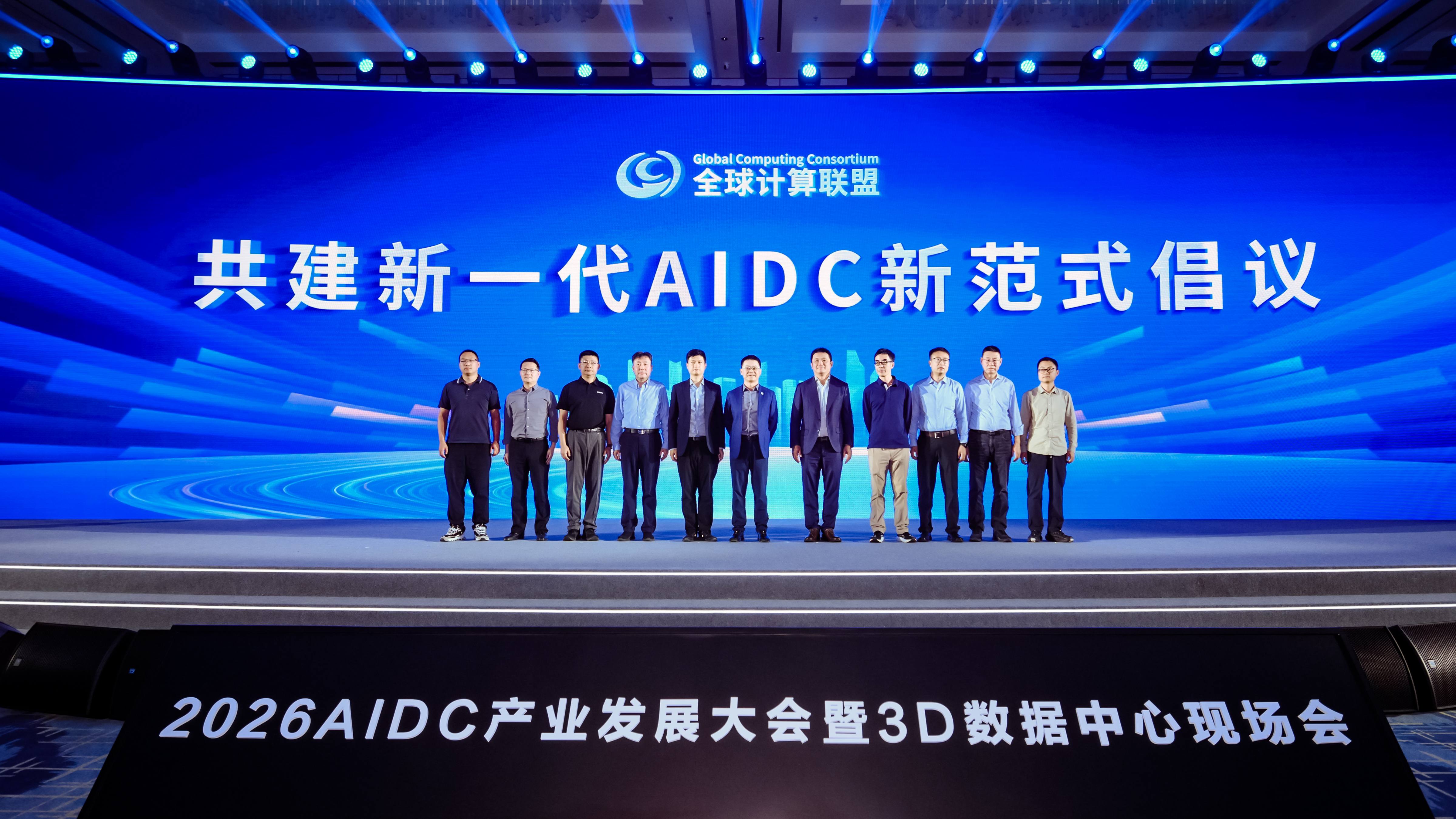
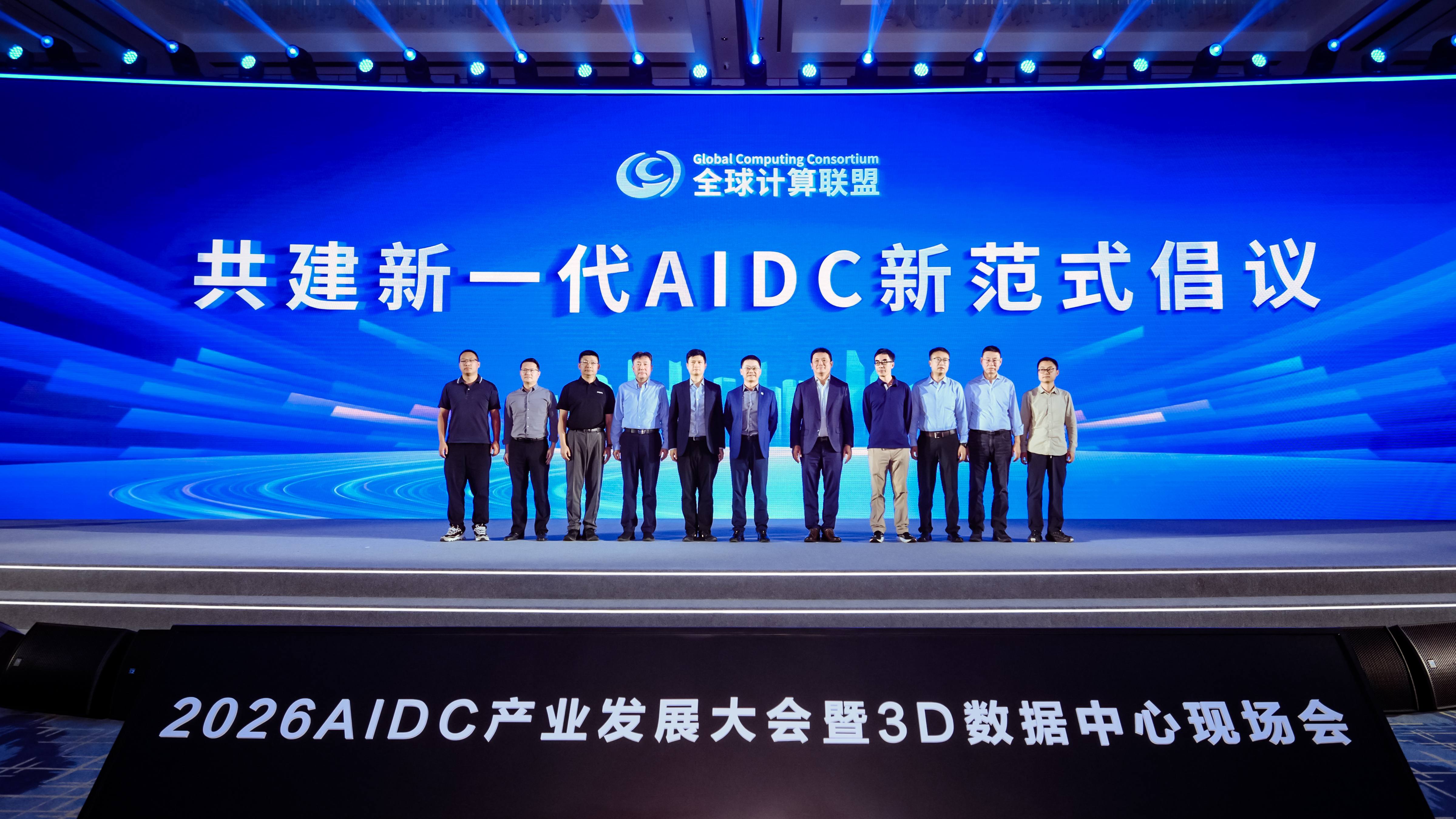
"Joint Initiative for Building a New Paradigm of Next-Generation AIDC" Ceremony
At the conference, GCC, together with over a dozen industry chain partners including the China Electronics Standardization Institute (CESI), the China Electronic Engineering Design Institute Co., Ltd. (CEEDI), the University of Science and Technology of China (USTC), Baidu Intelligent Cloud, Kuaishou Technology, Huawei, iFLYTEK, CITIC Digital Technology, and Qinhuai Data, jointly launched the "Joint Initiative for Building a New Paradigm of Next-Generation AIDC." The initiative proposes that all parties will jointly refine indicator definitions, develop reference architectures for construction, conduct benchmark validations, and advance standards and certification, working together to promote the high-quality development of next-generation AIDC.
The 2026 AIDC Industry Development Conference and 3D Data Center On-Site Meeting brought together stakeholders from government, industry, academia, research, and application, charting the direction through authoritative trend analysis, establishing rules through a standards system, validating trends with real demand, exploring pathways through benchmark practices, and pooling forces through ecosystem collaboration, thereby constructing a complete development framework for the upgrading of next-generation AIDC. Looking ahead, GCC will continue to leverage its role as an industry platform and bridge, continuously iterate industry standards, promote advanced construction paradigms, deepen full-chain ecosystem cooperation, and keep strengthening the foundation of intelligent computing infrastructure, providing robust support for the high-quality development of the digital economy.

 High Performance Computing Development Group(HPC DG)