On April 23, the Physical System Working Group Symposium, hosted by the Embodied Intelligence Industry Development Committee under the Global Computing Consortium, was successfully held in Shanghai. Centered on the core directions of specification normalization, component standardization, and system platformization, the conference focused on resolving common industry challenges such as high development costs for physical systems, difficulty in data generalization, challenges in mass production, and complex integration and maintenance. The event brought together representatives from the entire industry chain, including research institutions, investment firms, whole-machine manufacturers, model companies, computing power providers, and component suppliers. Through themed presentations, industry discussions, and product exhibitions, participants jointly explored technology trends, discussed industrial collaboration, and sought pathways for implementation.
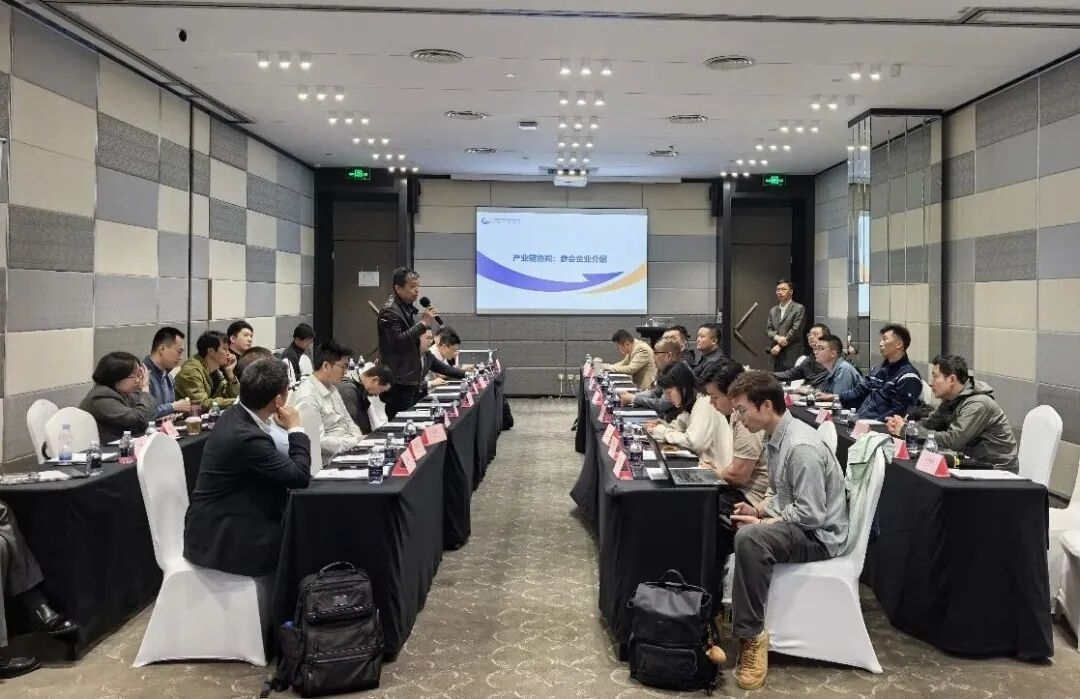
The conference featured a rich agenda with speeches and presentations from relevant organizations across the industry chain. The event began with an opening address by Zeng Peng, Director of the Embodied Intelligence Industry Development Committee and Deputy Director of the Shenyang Institute of Automation, Chinese Academy of Sciences. Subsequently, He Jianfei, Deputy Director of the Embodied Intelligence Industry Development Committee and Head of the Physical System Working Group, introduced the working scope of the group and the objectives of the symposium. Several leading scholars and industry experts delivered keynote speeches on trends in embodied intelligence industry development, industrial investment insights, and technological innovation directions, systematically analyzing opportunities and challenges in embodied intelligence as well as industrial investment logics, thereby charting a course for industry development. Technical experts from the front lines shared practical experiences in deploying embodied intelligence across typical scenarios such as power grid inspection, intelligent interaction, and industrial operations. They delved into key issues and solutions in engineering applications, providing valuable references for promoting embodied intelligence in specific scenarios.
The afternoon agenda focused on industry chain collaboration and innovation in core components. Representatives from enterprises in key areas including computing power, models, control systems, dexterous hands, and force sensors delivered specialized presentations on topics such as computing challenges for embodied intelligence systems, cloud-brain and data collaboration, edge intelligent control, and breakthroughs in core component technologies. The presentations covered the complete chain from foundational computing power and core components to system integration and scenario applications. The content combined technical depth with industrial value, showcasing cutting-edge technological advancements while directly addressing pain points in industrial deployment, resonating widely with the attendees.
During the business discussion session, participants engaged in thorough exchanges and in-depth deliberations on key tasks including industry chain collaboration, construction of component verification platforms, and establishment of testing systems. Consensus was reached on promoting open cooperation, facilitating upstream-downstream communication and alignment. The conference also featured exhibition booths where three companies displayed components such as dexterous hands, robotic arms, and six-axis force sensors. Through on-site demonstrations and face-to-face interactions, participating enterprises effectively facilitated technology matchmaking, demand alignment, and the establishment of cooperation intentions.
This conference saw deep participation and diverse voices from the entire embodied intelligence industry chain, fully demonstrating the agglomeration effects and collaborative potential of the embodied intelligence ecosystem. The successful convening of the symposium consolidated industry consensus, provided high-value inputs for the working group's subsequent activities, and laid a solid foundation for future work including the drafting of research reports and the development of verification systems.
About the Embodied Intelligence Industry Development Committee
The Embodied Intelligence Industry Development Committee of the Global Computing Consortium is a specialized body under the GCC dedicated to the ecological development of the embodied intelligence industry. With the mission of building a robust and prosperous embodied intelligence ecosystem, the Committee leads efforts in standards development, open-source promotion, technology verification, industry matchmaking, forum exchanges, and achievement demonstration. By connecting upstream and downstream resources across the industry chain, the Committee addresses critical common industry problems, driving rapid iteration of embodied intelligence technologies, continuous cost reduction, accelerated large-scale deployment, and supporting the sustainable development of the digital society.
To learn more about or participate in the Embodied Intelligence Industry Development Committee, please contact Mr. Zhao (zhaoyanchao@gccorg.com).

 High Performance Computing Development Group(HPC DG)